How Peer-to-Peer Parking Is Reshaping Urban Mobility in Texas Cities
Parking in Texas cities like Austin and Dallas has become more than just an inconvenience—it’s a daily frustration. Both cities continue to grow in population, attract tourists, and host world-class events. Yet, Austin parking and Dallas city parking options have not kept up with rising demand.
For drivers, circling around parking garages in Austin TX or Dallas public parking lots wastes valuable time. For residents, the congestion increases stress and traffic in neighborhoods. This is where peer-to-peer parking steps in—not only solving a logistical problem but also reshaping how we think about mobility in urban spaces.
Why Austin and Dallas face unique parking challenges
Austin’s traffic is already notorious, and with events like SXSW, Formula 1, and ACL Fest, parking in Austin Texas is often completely booked. Downtown hotspots, street parking in Austin, and Austin parking garages fill quickly, leaving visitors frustrated. Dallas faces similar challenges with its booming convention industry and large sports venues. When Dallas parking lots reach capacity, drivers end up circling neighborhoods in search of space.
Both cities need more than just additional lots—they need smarter, community-driven solutions. That’s where peer-to-peer parking fills the gap, offering flexibility, affordability, and efficiency compared to traditional public parking in Austin TX or Dallas overnight parking garages.
The rise of alternative parking solutions
Traditional parking models like The Parking Spot Austin TX and The Parking Spot Dallas TX provide structured services but often at higher costs. They’re also limited in location, forcing drivers to park far away and still deal with traffic. By contrast, peer-to-peer parking platforms like Park-In-My-Driveway offer hyper-local spaces listed by residents themselves.
This means attendees at the Austin Convention Center or visitors to the Dallas Convention Center can secure nearby spots at a fraction of the cost. It’s not just about saving money—it’s about reducing congestion and using city space more efficiently.
What Is Peer-to-Peer Parking?
Peer-to-peer parking is a community-based model where individuals rent out unused driveways or private spaces to drivers looking for affordable and convenient alternatives. Think of it as Airbnb, but for parking instead of housing.
This model connects homeowners and businesses with spare space to drivers tired of dealing with crowded garages. It creates a marketplace where both sides benefit—hosts earn passive income, and drivers save time and money.
The basic model explained
The process is straightforward. Hosts list their driveway or parking space on a peer-to-peer platform, setting the price and availability. Drivers searching for overnight parking in Austin TX or monthly parking Dallas TX can then instantly book these spaces. Payment is secure, and both parties gain from the convenience.
Unlike searching endlessly for public parking in Dallas TX or Austin city parking lots, drivers know in advance where they’re going. This eliminates wasted time, reduces emissions, and helps make urban mobility smoother.
How it compares to traditional parking
Traditional parking garages in Austin TX or Dallas public parking lots often require high hourly rates and provide limited flexibility. Peer-to-peer rentals offer more affordable pricing, longer availability windows, and the ability to book for unique needs like overnight parking Austin or long-term parking Dallas TX.
For the hosts, it’s also a financial win. Instead of big corporations like The Parking Spot Austin West collecting all the revenue, local homeowners get to share in the parking economy. This creates a more sustainable, community-focused alternative.
Austin’s Peer-to-Peer Parking Shift
Austin’s population boom and cultural events have made parking more competitive than ever. Peer-to-peer parking is stepping in to transform how the city handles mobility, especially during peak times.
This shift is most visible in downtown Austin, where residents near hotspots can now rent their spaces to visitors who once struggled with parking in Austin Texas or limited Austin parking garages.
Parking at the Austin Convention Center
The Austin Convention Center is a hub for tech, trade, and cultural events. Traditional Austin parking lots and parking garages near the venue often fill quickly, leaving visitors walking long distances or overpaying for valet services.
With peer-to-peer parking, attendees can reserve nearby residential spaces ahead of time. It’s cheaper than structured public parking in Austin TX and more reliable than circling for street parking in Austin. For hosts, convention schedules provide consistent income opportunities.
SXSW impact
During SXSW, the entire city of Austin becomes gridlocked. Hotels, restaurants, and every available Austin city parking lot get overrun with visitors. Parking at the Austin Convention Center becomes almost impossible without reservations.
Peer-to-peer parking gives both locals and tourists a stress-free alternative. Homeowners in central neighborhoods can list their driveways, providing drivers with reliable overnight parking in Austin Texas or daily passes. For hosts, SXSW represents one of the most profitable times of the year.
Overnight and public parking
Events in Austin often stretch into the night. Unfortunately, most Austin parking garages close at midnight or charge premium rates for overnight stays. That leaves many drivers scrambling for alternatives.
Peer-to-peer rentals solve this by offering overnight parking in Austin TX directly in residential neighborhoods. Whether it’s near downtown or closer to The Parking Spot Austin West, drivers gain peace of mind knowing they won’t be towed or forced to move their car late at night.
Dallas Embraces Driveway Rentals
Dallas has long been a hub for conventions, business travel, and sports events. From Mavericks games to the Texas State Fair, Dallas parking lots are always in high demand. Peer-to-peer parking is quickly gaining traction as a way to manage this overflow.
The city’s vast sprawl and high vehicle ownership rates make the flexibility of driveway rentals especially appealing compared to traditional parking garages in Dallas TX.
Dallas Convention Center
The Dallas Convention Center regularly hosts international conferences, drawing thousands of visitors. While Dallas public parking garages exist nearby, they’re often costly and fill up quickly. Attendees end up spending more time parking than networking.
Peer-to-peer parking provides convenient alternatives. Locals near the convention center can list spaces for affordable rates, giving drivers reliable access and cutting down on parking in Dallas TX frustrations.
Sports and fairs
Dallas sports fans know the struggle of finding parking near stadiums. Events like Cowboys games or the Texas State Fair cause a surge in demand for Dallas public parking and long-term parking Dallas TX.
With driveway rentals, fans can secure a space ahead of time, often closer to the venue than official lots. For homeowners near stadiums, these events can generate significant seasonal income while easing congestion in parking lots Dallas TX.
Community benefits
Peer-to-peer parking does more than ease congestion—it strengthens communities. By renting from locals, drivers avoid overpaying at commercial lots like The Parking Spot Dallas TX while supporting neighborhood residents.
This reduces unnecessary traffic in busy downtown zones, keeps money circulating locally, and creates a sense of shared responsibility for urban mobility solutions.
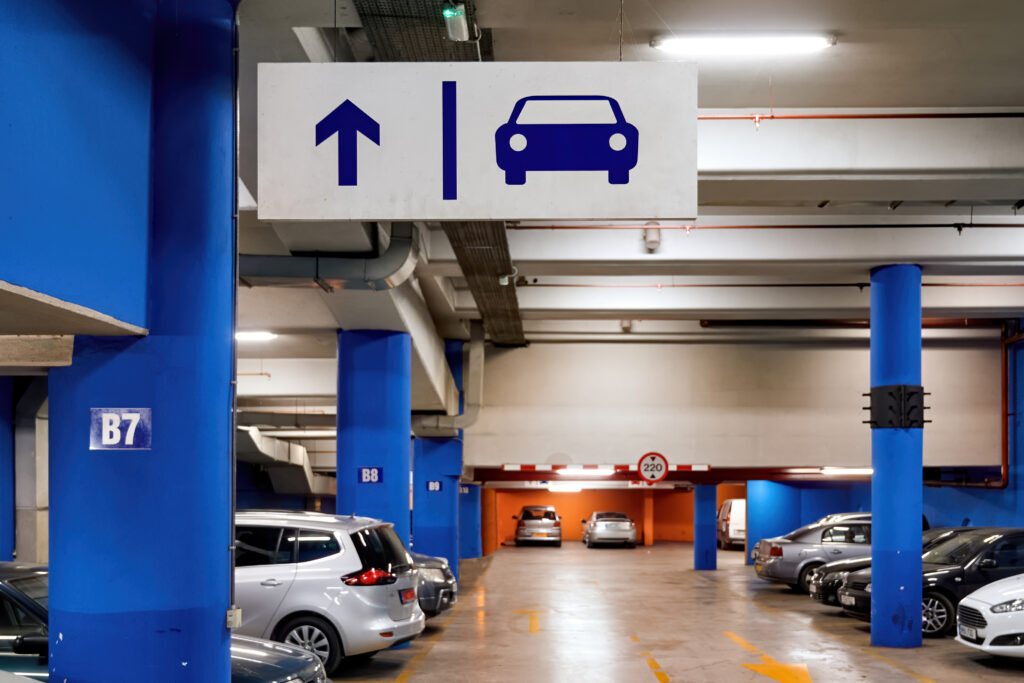
Smart City Parking
As Austin and Dallas work toward smart city initiatives, peer-to-peer parking plays a critical role. By combining digital platforms with urban planning, it makes mobility more sustainable and efficient.
The integration of mobile apps, AI, and IoT turns parking from a daily hassle into a streamlined, tech-driven experience.
Apps make it simple
Platforms like Park-In-My-Driveway allow users to browse, filter, and book spaces near Austin parking lots or Dallas convention areas instantly. Unlike searching for street parking in Austin or circling Dallas parking garages, drivers know exactly where they’ll park before leaving home.
Apps also handle secure payments and host-driver communication, creating a safer and more transparent process.
Data-driven congestion solutions
Peer-to-peer parking doesn’t just help individuals—it reduces citywide traffic. Research shows that a significant percentage of congestion comes from cars searching for parking. By offering direct reservations, peer-to-peer parking lowers emissions, improves air quality, and supports Texas’s environmental goals.
For cities, this means fewer headaches managing public parking in Austin TX and Dallas parking lots during peak times.
AI and IoT integration
Future advancements will bring AI to predict demand during events and IoT sensors to monitor space availability in real time. Imagine driving into downtown Austin and being directed straight to an available driveway near The Parking Spot Austin TX—that’s the future peer-to-peer parking is building.
Environmental and Social Impact
Beyond technology, peer-to-peer parking addresses sustainability and livability. It aligns with the green goals of Austin and Dallas, reducing unnecessary construction and promoting efficient space use.
Reduced traffic and emissions
When fewer drivers circle Austin parking garages or Dallas public parking lots, both congestion and emissions drop significantly. This improves urban air quality and creates healthier neighborhoods.
It’s a win for the environment and for residents tired of noise and traffic pollution.
Community networks
Instead of funneling money into corporate lots like The Parking Spot Dallas TX, peer-to-peer parking allows residents to benefit directly. This builds trust between neighbors and drivers, fostering a sense of shared purpose.
Communities become more engaged, and cities become more livable.
Sustainable urban growth
Rather than investing millions in expanding Austin parking garages or Dallas parking lots, cities can rely on peer-to-peer models to meet fluctuating demand. This sustainable approach allows urban growth without excessive infrastructure costs.
Conclusion – A Smarter Path Forward
Peer-to-peer parking is no longer just a convenience—it’s a movement shaping urban mobility in Texas cities. Austin and Dallas are at the forefront, showing how community-driven parking can reduce congestion, improve air quality, and create new economic opportunities.
As demand for Austin parking and Dallas public parking continues to grow, embracing peer-to-peer models ensures that both cities can thrive sustainably. Homeowners, drivers, and city planners all stand to benefit from this smarter, greener, and more community-focused future.