
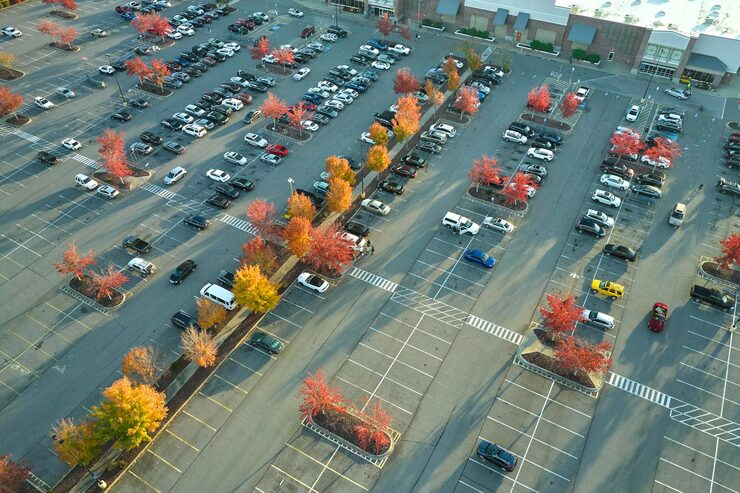
How Monthly Driveway Parking Helps Remote & Hybrid Workers
Remote and hybrid work have permanently changed how people move through cities. While daily commuting has decreased for many professionals, the need for reliable parking has not disappeared. Instead, parking requirements have become more flexible, occasional, and closely tied to changing work schedules and travel needs.
Traditional parking systems were designed for employees who traveled to the same office every weekday. Hybrid workers, however, may commute only a few days per week, work from multiple locations, or travel frequently for meetings. In this evolving environment, monthly driveway parking has emerged as a practical solution that aligns with modern work habits.
This article explains how driveway-based parking works, why it fits hybrid and remote lifestyles, and how it intersects with urban parking and airport travel needs in cities such as Dallas and Austin.
Understanding Monthly Driveway Parking
Monthly driveway parking allows drivers to rent private residential driveway space on a recurring basis. Instead of relying on daily parking searches or long-term garage contracts, drivers secure a consistent location for parking throughout the month.
Digital platforms such as Park in My Driveway connect drivers with homeowners who have unused driveway space. This system creates a decentralized parking network that makes use of existing residential infrastructure rather than relying solely on large parking facilities.
How It Differs From Traditional Parking
Commercial garages and surface lots typically operate on daily or annual pricing models. These structures often assume regular weekday use, which may not align with hybrid schedules.
Monthly driveway parking offers:
- Predictable access without long-term contracts
- Locations in residential and mixed-use areas
- Reduced competition compared to high-traffic garages
This flexibility makes driveway parking especially relevant for professionals who commute irregularly.
Parking Challenges Faced by Remote and Hybrid Workers
Hybrid work reduces commuting frequency, but it also introduces new complexities around parking.
Irregular Office Attendance
Many professionals now travel to the office two or three days per week rather than daily. Paying for full-time garage access can feel inefficient, while relying on hourly parking creates uncertainty.
Searching for a parking spot for rent on each office day adds time and stress to the commute. Monthly arrangements help remove this friction.
Changing Work Locations
Hybrid workers may alternate between corporate offices, coworking spaces, and client sites. Parking systems that allow flexibility are better suited to these patterns.
Driveway Parking in Urban Centers
Cities continue to experience parking demand even as remote work expands.
Parking in Downtown Areas
In cities like Dallas, demand for monthly parking in downtown dallas remains high. Office districts, residential towers, and entertainment venues compete for limited space.
Driveway parking helps relieve pressure on centralized garages by distributing parking availability across nearby neighborhoods. This model provides additional options for professionals who want predictable parking close to their destination.
Parking Austin Neighborhoods
Austin faces similar challenges. Parking austin business and residential zones often overlap, making it difficult to find consistent parking during peak times. Monthly driveway parking allows drivers to secure parking at austin locations without competing for daily availability.
The Role of Parking Spot Rental Models
Parking spot rental has grown as a response to underutilized residential space and evolving commuter needs.
For Drivers
Drivers gain access to parking spots for rent in quieter residential areas that are often closer to work or transit routes. This reduces reliance on large garages and daily parking searches.
For Homeowners
Homeowners with unused driveways can rent parking space without altering their property. Platforms that allow residents to rent out your driveway help establish clear rules and expectations for both parties.
Monthly Driveway Parking and Airport Travel
Hybrid professionals frequently combine office work with regional or national travel. Airport parking becomes an important consideration in these cases.
Austin Airport Parking Considerations
Austin-Bergstrom International Airport serves a growing number of travelers, and demand for austin bergstrom international airport parking fluctuates throughout the year. Options such as austin bergstrom airport parking or the parking spot austin may be convenient, but availability and pricing can vary significantly.
For professionals who travel occasionally rather than weekly, long-term airport parking may not be the most efficient option.
Managing Austin Airport Parking Cost
Austin airport parking cost can increase quickly for travelers who leave vehicles for several days. Monthly driveway parking near transit corridors offers an alternative. Drivers can park in a residential area and use rideshare or public transportation to reach the airport, reducing dependence on airport parking facilities.
Comparing Driveway Parking With Commercial Parking Providers
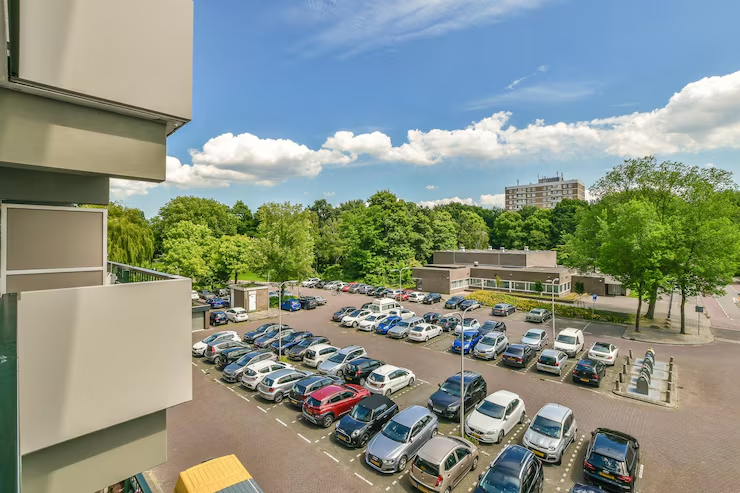
Commercial parking operators such as republic parking manage large-scale facilities in many cities. These services play an essential role in urban mobility, but they are not always optimized for hybrid schedules.
Centralized vs. Distributed Parking
Commercial garages are centralized and designed for high volume. Driveway parking is distributed throughout neighborhoods, offering more localized access.
Predictability for Hybrid Schedules
Commercial pricing often fluctuates based on demand. Monthly driveway parking rental arrangements typically offer more predictable costs, which supports better budgeting for professionals who commute irregularly.
Parking and Work-Life Balance
Parking reliability has a direct impact on daily routines and stress levels.
Reducing Uncertainty
Knowing exactly where to park removes a common source of frustration. This predictability allows professionals to focus on work rather than logistics.
Supporting Flexible Routines
Hybrid workers often transition between remote days, office days, and travel days. Monthly driveway parking supports these transitions without requiring multiple parking solutions.
Parking Near Work, Home, and Transit
Location Matters
Selecting a driveway close to your workplace or transit route reduces walking distance and commute time. This is particularly valuable in dense urban areas where parking availability changes throughout the day.
Multimodal Commuting
Many professionals combine driving with transit. A driveway parking spot near bus or rail lines enables smoother connections to offices or airports.
Finding the Right Parking Spot for Rent
Choosing the right parking option involves several considerations.
Proximity and Access
Look for a parking spot for rent that aligns with your commute or travel route. Residential driveways often provide easier access than crowded garages.
Usage Terms
Confirm access hours and any restrictions. Clear expectations help ensure a smooth monthly parking experience.
Communication and Support
If questions arise, resources such as the contact page can help clarify availability, terms, and general parking guidance.
Monthly Parking in a Changing Urban Landscape
As hybrid work becomes the norm, cities must adapt their parking systems.
Supporting Partial Attendance
Monthly driveway parking accommodates professionals who do not commute daily but still need reliable access on office days.
Efficient Use of Existing Space
Using residential driveways for parking reduces the need for new parking construction, supporting more efficient land use and urban planning.
In cities like Austin, where parking at austin business districts intersects with residential growth, decentralized parking solutions help balance demand.